![MOKSLINIS TYRIMAS ATSKLEIDĖ: 83% Moterų Nežino Šių 7 Mitybos Paslapčių Plaukų Slinkimui Sustabdyti [2024 Atnaujinta]](https://yourshampoo.eu/wp-content/uploads/2024/10/plauku-slinkimas-kaip-stabdyti-plauku-slinkima.jpg)
7 Nutrition Secrets You Did Not Know
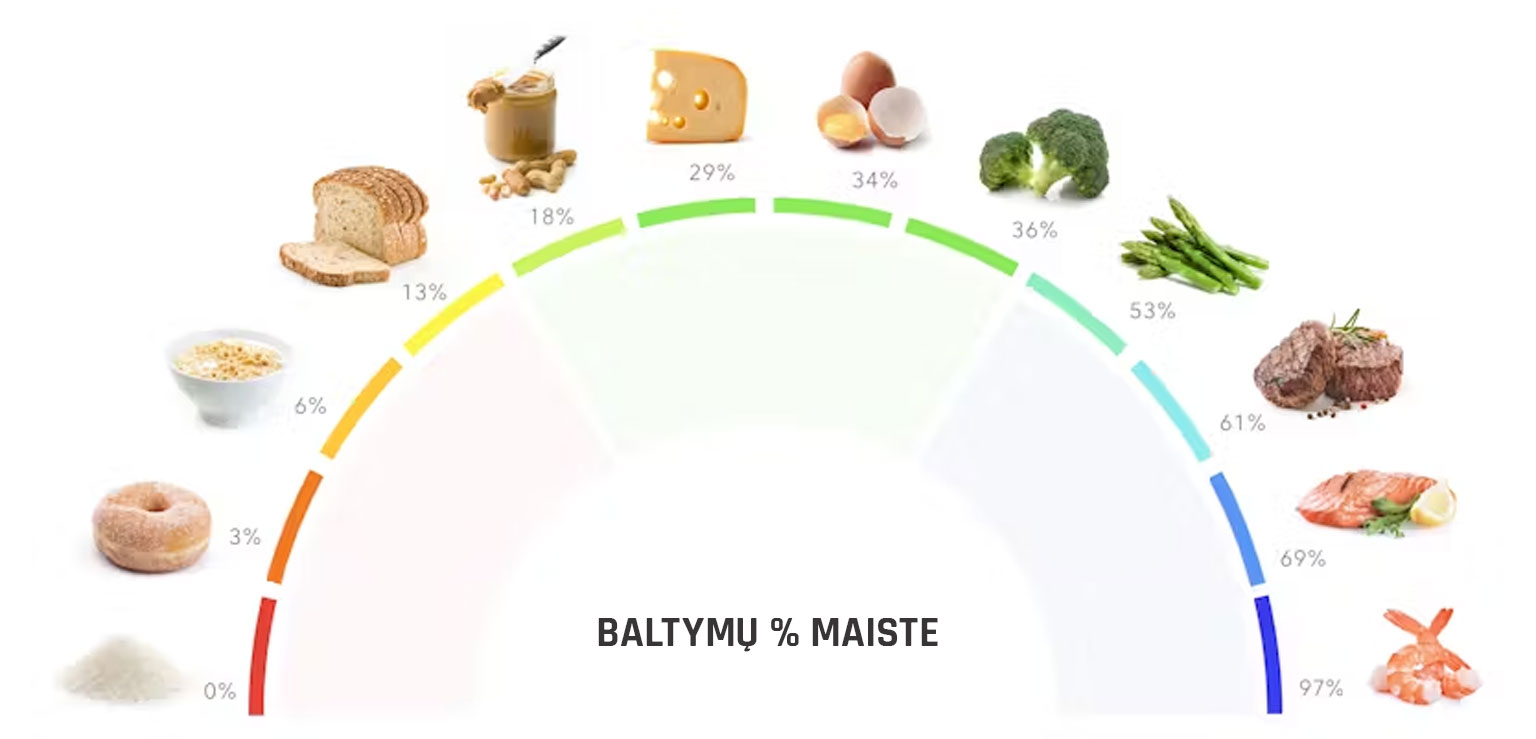
1. Protein – Not All the Same
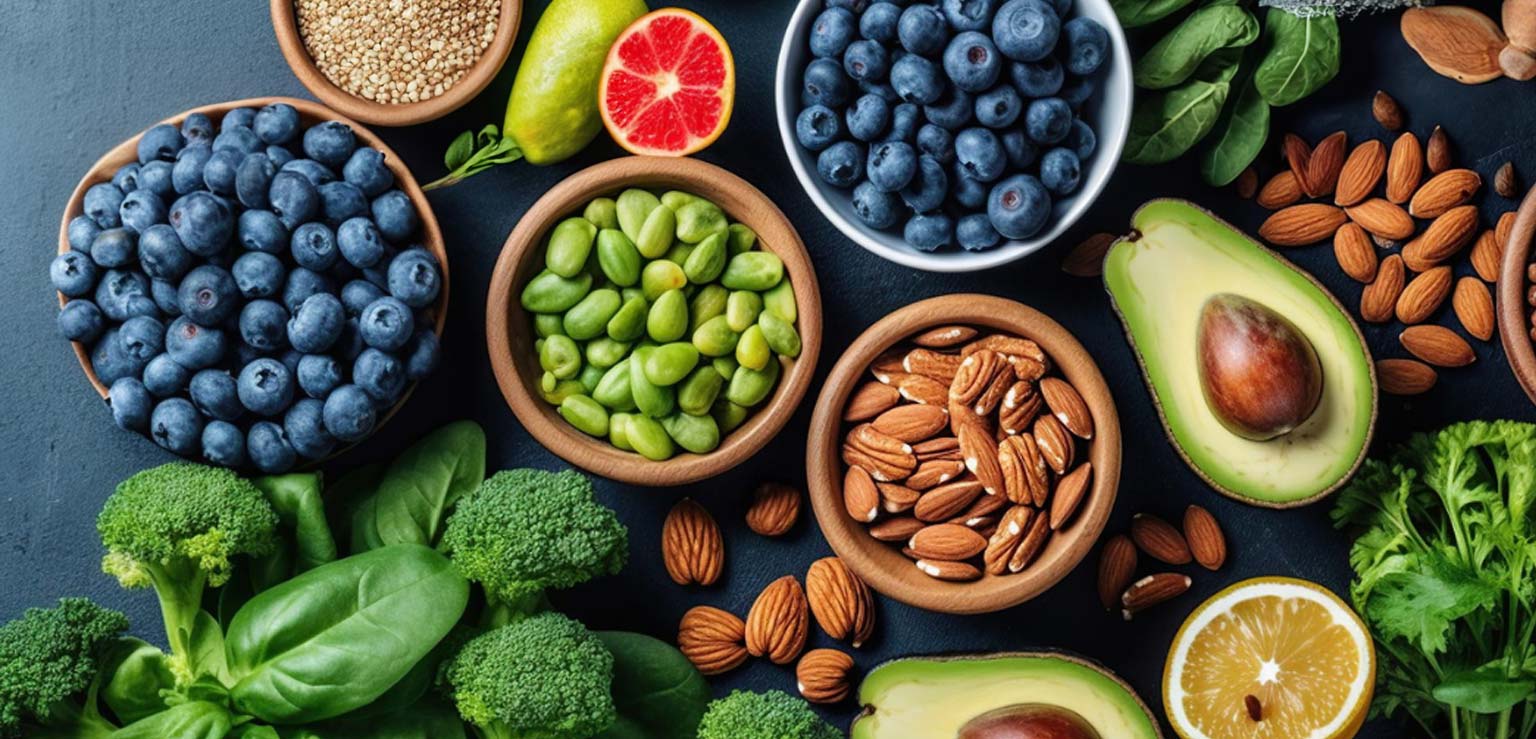
Studies show that specific amino acids have a direct effect on hair growth and hair loss. However, it is not only the amount that matters, but also the source. The best sources for hair growth:
- Salmon: 2-3 portions (140g) per week – salmon is rich in omega-3 and vitamin D and high quality amino acids
- Eggs: 1-2 per day – contains all 9 essential amino acids and biotin
- Bolivian Balanda: 50-60g serving – a unique plant protein with all the amino acids
- Pumpkin seeds: 30g per day – rich in zinc and omega-3
- Spinach: 100g serving – source of iron and folic acid
Important: Eat these products at least 3 times a week for optimal results.
2. The Iron Paradox
As many as 67% of women who take iron supplements do one critical error – do not combine them with vitamin C. That's why this is important:
- Vitamin C improves Iron absorption 2-3 times
- Coffee or tea may reduce iron absorption 40-60%
- It is recommended to take iron supplements with products containing vitamin C
- Take iron 1 hour before or 2 hours after coffee/tea
3. The Vitamin D3 Revolution
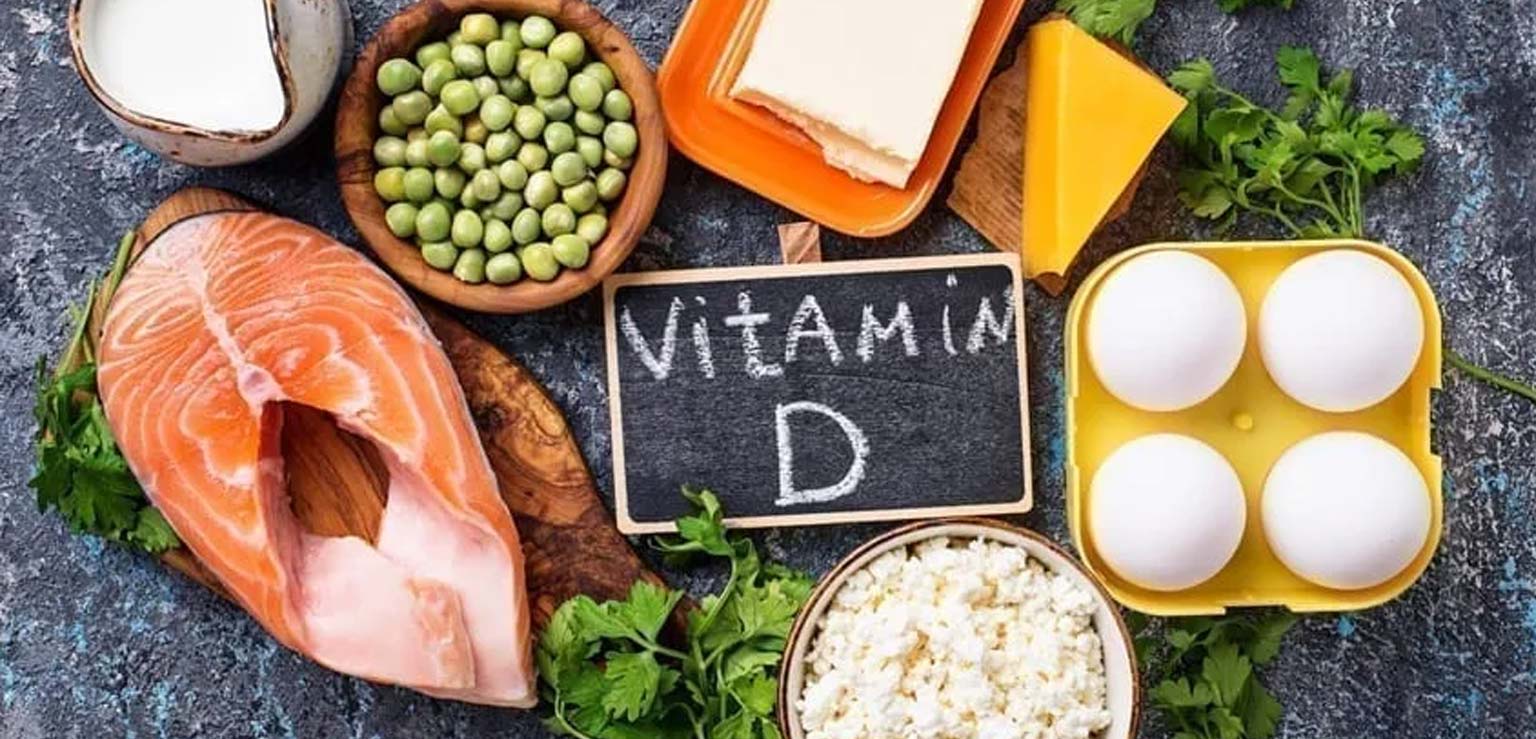
Recent research from 2024 shows that vitamin D3 not only strengthens hair, but also activates „dormant” hair follicles to reduce hair loss.
- Vitamin D3 is involved in the hair growth cycle
- Recommended daily intake: 800-2000 IU (international units)
- Best absorbed with fatty foods
- It is important to check your vitamin D blood levels regularly
4. The whole truth about Omega-3
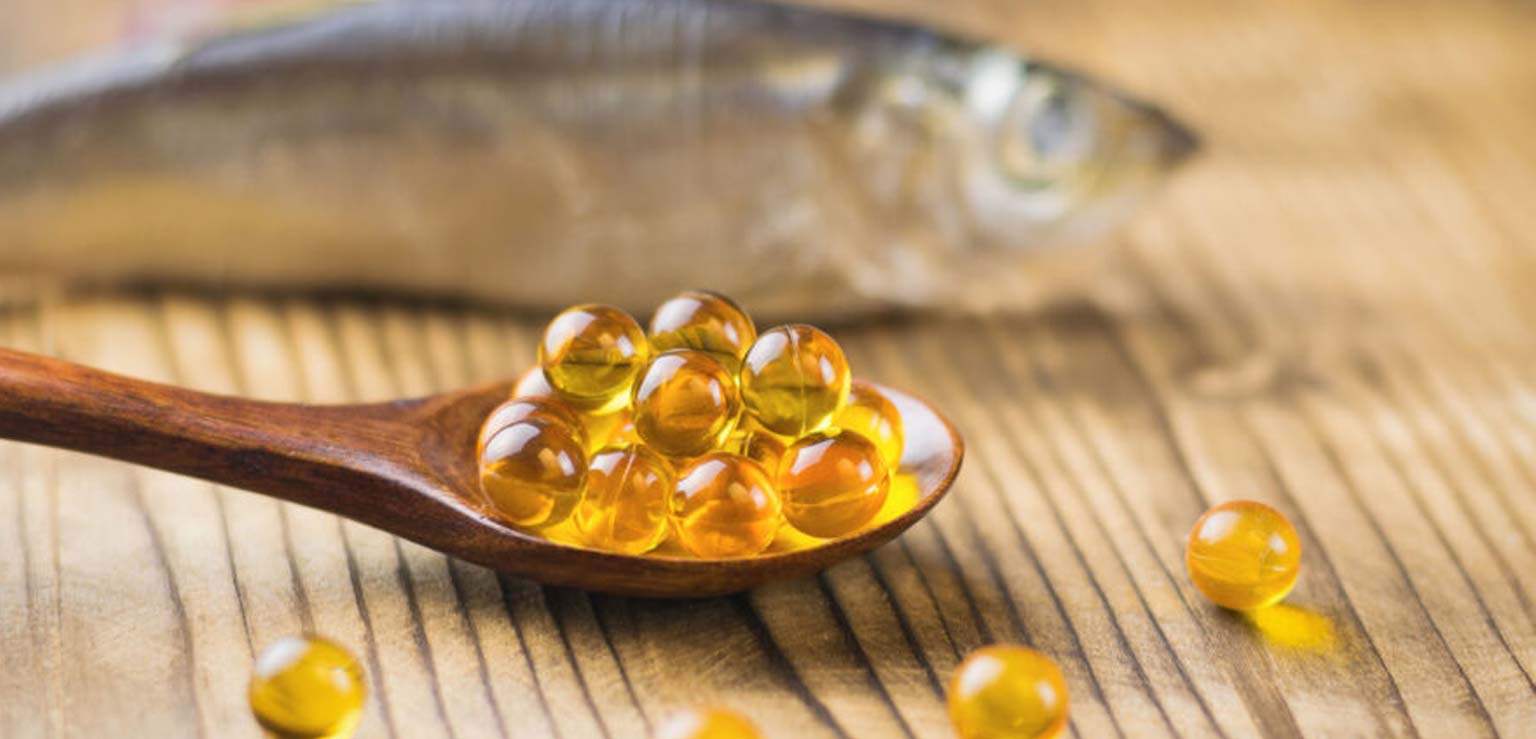
Instead of conventional fish oil, you need to know about optimal ratio of EPA to DHA for hair growth. Research shows:
- Ideal ratio for hair: 1:1 to 2:1 EPA and DHA
- Recommended total daily intake of omega-3: 1000-2000 mg
The best sources:
- Salmon (2-3 portions per week)
- Mackerel (1-2 portions per week)
- Sardines (a great choice for starters)
IMPORTANTA: Conventional fish oil is often too low in EPA and therefore does not provide the maximum benefit to the hair. Choose high quality fish oil – its quality and freshness are important.
✨ WE RECOMMEND:
[hair-quiz-1]
5. Antioxidant Strategy
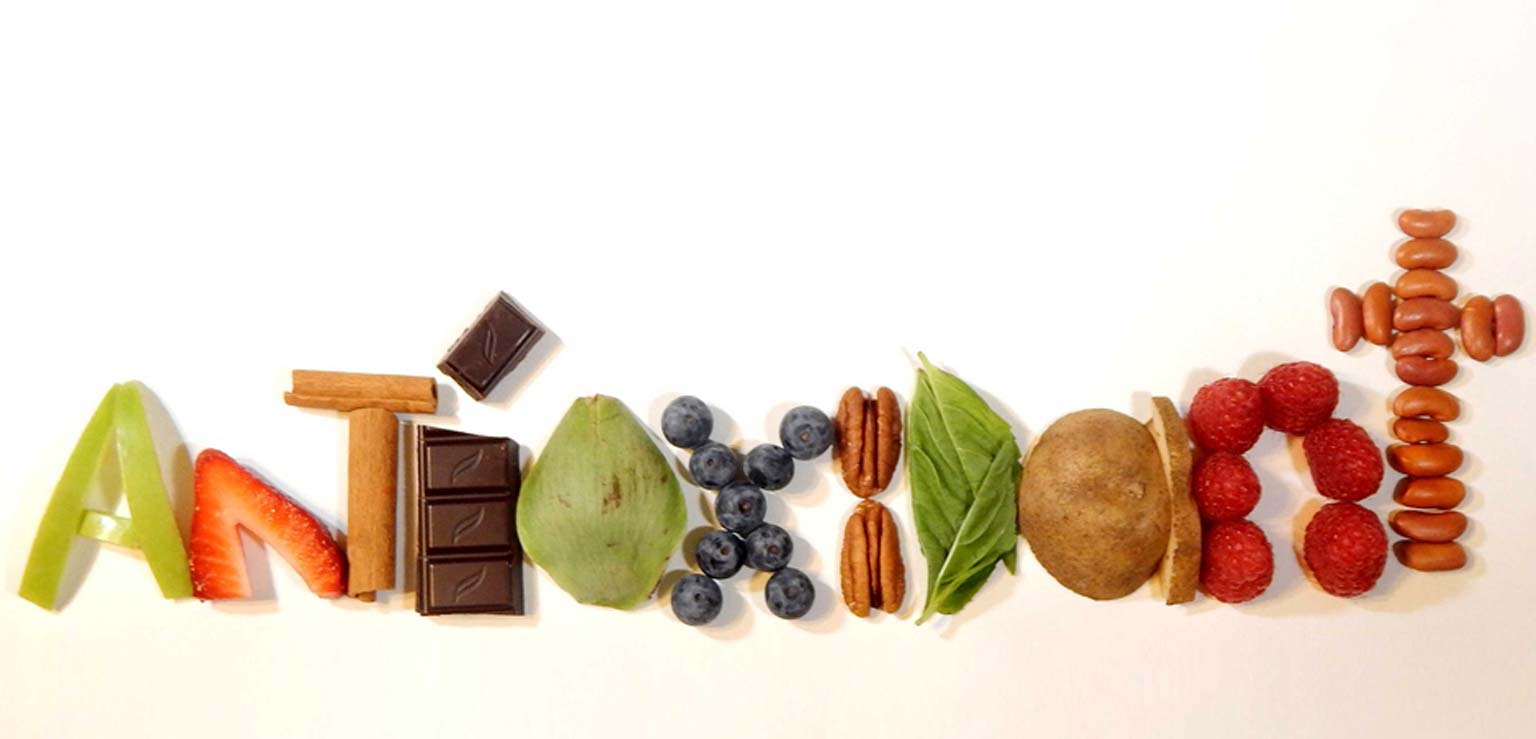
Antioxidants help protect hair follicles from oxidative stress. Researchers have found that certain antioxidants are 300% more efficient than others when it comes to hair protection. Here are the most powerful ones:
- Astaxanthin: 500% more powerful than vitamin E for hair protection
- Resveratrol: Found in red grapes, prevents hair ageing
- Curcumin: Stimulates scalp circulation and reduces inflammation
Everyday sources:
- Blueberries (100g per day)
- Dark chocolate (30g, 70%+ cocoa)
- Pomegranates (1 fruit)
- Green tea (1-2 cups)
IMPORTANTA: Vitamin C can improve the absorption of antioxidants. We therefore recommend eating antioxidant foods together with foods containing vitamin C.
6. The Biotin Myth
Although biotin is important, 90% of women use it incorrectly. Fundamental error: Taken alone, biotin does not work as effectively.
Biotin is most effective in combination with:
- Zinc (8-11 mg/day)
- Vitamin B5 (5 mg/day)
- Vitamin B12 (2.4 mcg/day)
- Folic acid (400 mcg/day)
How to use it correctly:
- Recommended daily dose: 30-100 mcg
- Use in the morning with food
- Combine with other B vitamins
- Do not exceed the recommended dose – more is not better!
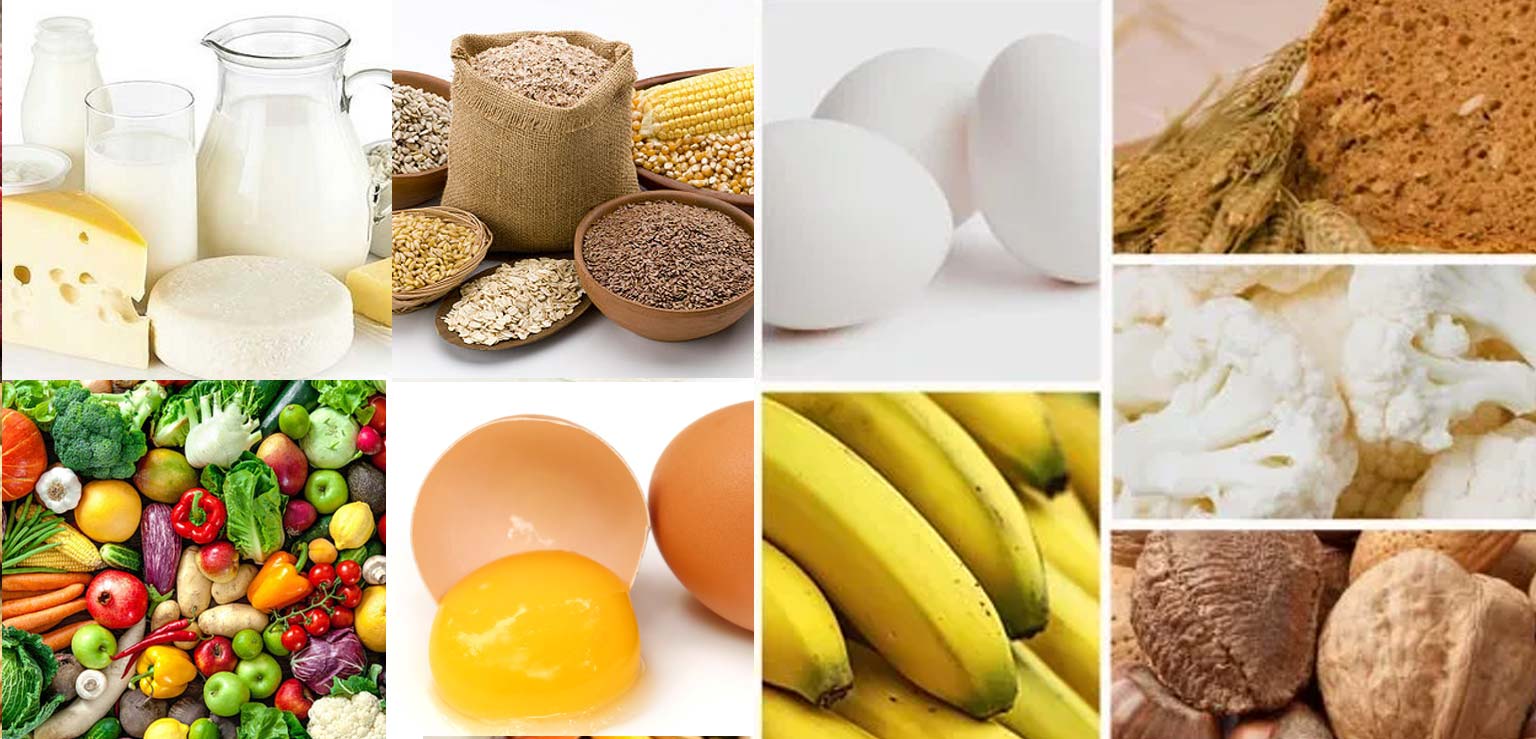
Natural sources:
- Egg yolks
- Avokadai
- Migdolai
- Saldžios bulvės
7. Chrome Forgotten by All
This undeservedly neglected trace element can be the key to transforming your hair. Chromium helps to maintain normal blood glucose levels, which has a direct effect on the nutrition of hair follicles.
Why is chromium so important for hair?
- Improves nutrient absorption 70%
- Stabilises hormone levels
- Reduces hair loss due to stress
Recommended daily dose: 25-35 mcg
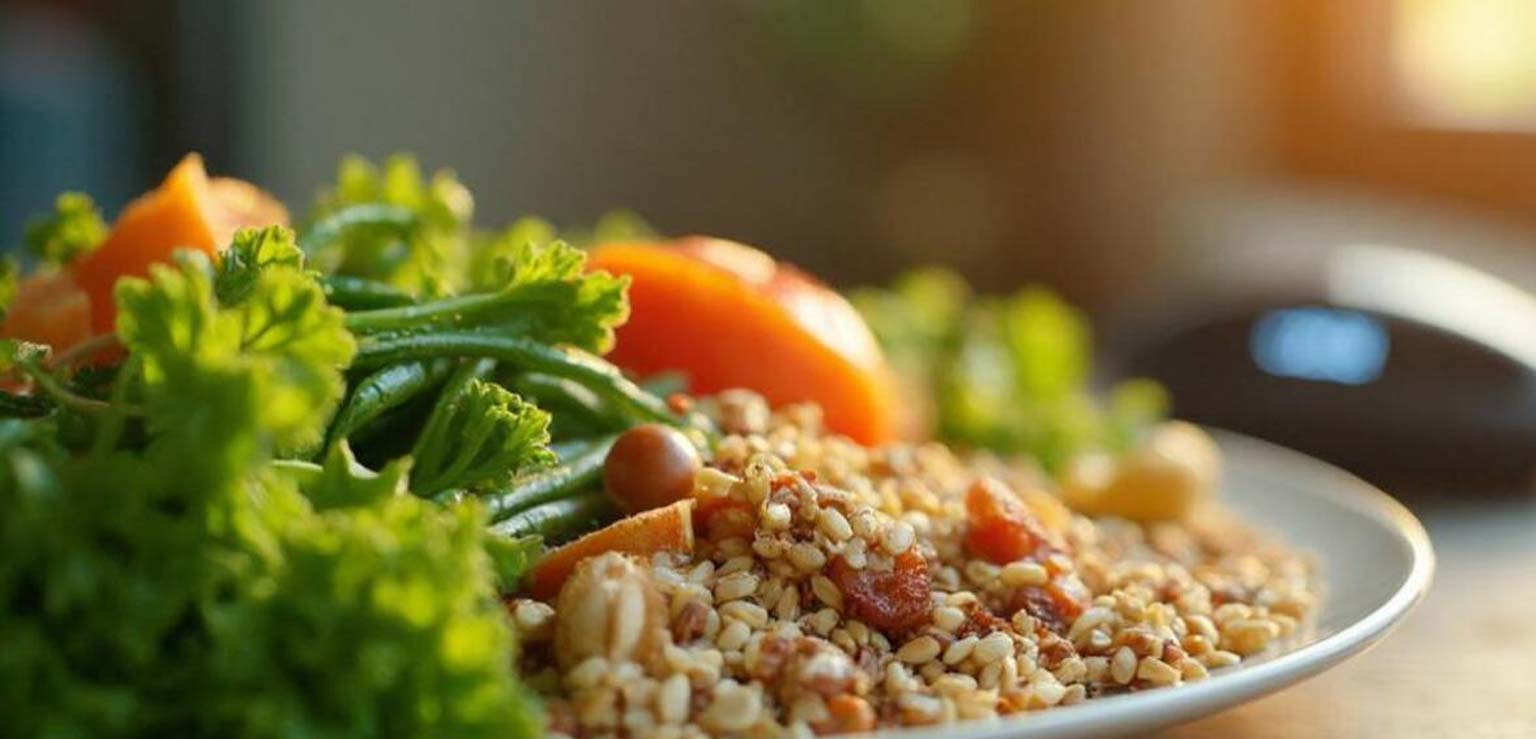
Natural sources (amounts per 100g of product):
- Broccoli (11 mcg)
- Turkey (10.4 mcg)
- Apples (0.7 mcg)
- Buckwheat (7 mcg)
- Seaweed
IMPORTANT: Chromium absorption Reduces sugar and refined carbohydrates. Avoid these when taking chromium.
General recommendations:
- Always start with a balanced diet
- Consult your doctor before taking any supplements
- Check your blood levels of essential micronutrients regularly
- Please note that each person's body is individual and needs may vary
✨ WE RECOMMEND: